
Complete Guide to Spray Can and Silver Spray Paint: Transform Your Projects with Professional Result
Boost your Dubai DIY projects with Control Shift's guide on spray can & silver spray paint usage. Top results guaranteed from our professional tips.
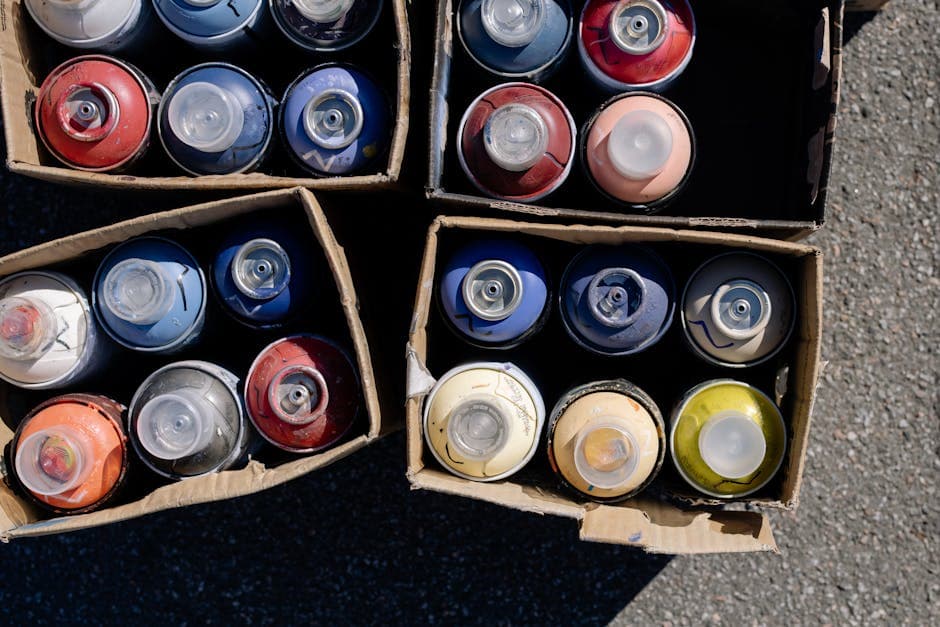
Introduction: The Power of Spray Can Painting
In the world of DIY projects and professional finishing work, few tools offer the versatility and convenience of a spray can. From touching up small scratches to completely transforming furniture and metal surfaces, spray paint has revolutionized how we approach coating applications. Among the most popular and sought-after finishes is silver spray paint, which delivers stunning metallic results that add sophistication and modern appeal to countless projects.
The beauty of spray can technology lies in its simplicity and effectiveness. Unlike traditional brush and roller methods that require multiple tools, cleanup, and considerable effort, a spray can delivers professional-quality finishes straight from the container. The pressurized system atomizes paint into fine droplets that settle evenly on surfaces, creating smooth, consistent coverage that is difficult to achieve with other application methods.
Whether you are a professional craftsman, a DIY enthusiast, or simply someone looking to refresh tired surfaces around your home, understanding how to properly use spray can products and specifically silver spray paint opens up a world of creative possibilities. This guide will walk you through everything you need to know to achieve flawless results on every project.
Understanding Spray Can Technology
The modern spray can is a marvel of engineering that combines paint, propellant, and a sophisticated valve system to deliver controlled, even application. Inside each can, paint is mixed with propellant under pressure. When you press the nozzle, this pressure forces paint through a tiny opening, atomizing it into a fine mist that settles evenly on your surface.
Quality spray cans feature several key characteristics that ensure professional results. The nozzle design determines spray pattern and droplet size, affecting coverage and finish quality. Better nozzles create consistent, adjustable spray patterns that allow control over coverage area. The propellant system maintains consistent pressure throughout the can’s life, ensuring the first spray and last spray perform identically. And the paint formulation itself is specially designed for spray application, with viscosity and flow characteristics optimized for smooth, even coverage.
Silver spray paint contains metallic pigments that create its distinctive reflective finish. These metallic particles suspend in the paint and, when applied properly, orient themselves to create a uniform shine. The quality of these metallic pigments and how finely they are ground significantly affects the final appearance, with premium products delivering smoother, more consistent metallic finishes.
Applications for Silver Spray Paint
The versatility of silver spray paint makes it valuable across an enormous range of applications. Understanding where and how this finish excels helps you identify opportunities to use it effectively.
Automotive Applications: Silver is a classic automotive color, and silver spray paint excels at touch-ups, refinishing wheels and trim, coating engine components, and customizing motorcycles and bicycles. The metallic finish complements modern vehicle aesthetics while providing durable protection.
Home Décor Projects: Transform furniture with metallic finishes, update light fixtures and hardware, create accent pieces with modern metallic appeal, and refinish picture frames and decorative items. Silver spray paint adds contemporary sophistication to tired furnishings.
Metal Restoration: Refresh wrought iron railings and gates, restore metal outdoor furniture, refinish metal tools and equipment, and protect metal surfaces from rust and corrosion. The metallic finish both beautifies and protects.
Craft and Art Projects: Create metallic accents on various materials, customize accessories and decorative items, add reflective elements to artwork, and experiment with modern finishes on creative projects. The spray can format enables detailed work that brushes cannot match.
Industrial Applications: Mark equipment and machinery, create durable metallic coatings on metal components, touch up scratched or damaged industrial finishes, and provide corrosion protection with attractive appearance.
Surface Preparation for Spray Can Application
Achieving professional results with any spray can begins with proper surface preparation. Paint can only perform as well as the surface beneath it, and taking time for thorough preparation ensures beautiful, durable results.
Start by cleaning surfaces thoroughly to remove all dirt, grease, oil, and contamination. For metal surfaces, use appropriate cleaners or solvents to remove any oily residue. Allow surfaces to dry completely before proceeding. Any moisture trapped under spray paint causes adhesion problems and premature failure.
Remove loose paint, rust, or corrosion using wire brushes, sandpaper, or appropriate tools. Silver spray paint adheres best to sound, stable surfaces. Sand glossy surfaces lightly to create tooth for paint adhesion. The goal is not to remove all existing finish, but to roughen it enough that new paint can grip properly.
For bare metal, apply appropriate primer before your silver topcoat. Metal primers prevent rust and provide ideal foundation for paint adhesion. For plastic surfaces, use plastic-specific primers that ensure proper bonding. Mask areas you do not want painted using painter’s tape and paper or plastic sheeting. Take time with masking to create clean edges and protect adjacent surfaces.
Professional Application Techniques
Using a spray can effectively requires technique that differs significantly from brush painting. Mastering these methods produces professional-quality results.
Before spraying, shake the can thoroughly for at least two minutes. This mixing ensures metallic pigments in silver spray paint are evenly distributed for consistent color and shine. Continue shaking occasionally during use to maintain mixture.
Test spray on cardboard or scrap material to verify spray pattern and color. This test also clears the nozzle and ensures smooth operation. Hold the can 8–12 inches from the surface. This distance allows paint droplets to atomize properly while preventing runs. Too close causes heavy application and drips; too far creates dry, rough texture.
Use smooth, sweeping motions across the surface, keeping the can moving at consistent speed. Start the spray motion before reaching your surface and continue past the edge. This technique prevents heavy buildup at starting and stopping points. Overlap each pass by about 50% to ensure even coverage without gaps or stripes.
Apply thin, multiple coats rather than attempting full coverage in one heavy coat. Thin coats dry faster, resist runs and sags, and build up to smoother final finish. Allow each coat to dry according to can instructions before applying the next, typically 10–20 minutes for light recoating.
For silver spray paint specifically, final coat direction affects appearance. Make your last pass in consistent direction for most uniform metallic sheen. The metallic particles orient with spray direction, so consistent final passes create more uniform reflection.
Tips for Perfect Results
Environmental conditions significantly affect spray painting success. Work in well-ventilated areas away from flames or sparks. Temperature between 50–85°F provides ideal conditions; extreme temperatures affect paint flow and drying. Avoid painting in direct sunlight, which causes too-rapid drying, or in high humidity, which extends drying time.
Clean the spray nozzle after each use by turning the can upside down and spraying until only propellant emerges. This clears paint from the nozzle mechanism, preventing clogs. If nozzles clog during use, remove and soak in appropriate solvent, then rinse and dry before reinstalling.
Protect yourself during spray can use. Wear appropriate respirator or mask in enclosed spaces, protect eyes with safety glasses, and use gloves to keep paint off skin. Work in ventilated areas whenever possible.
For professional results on critical projects, consider investing in quality products from reputable suppliers. Tower Tools offers premium spray can products including silver spray paint formulations designed for professional-quality finishes.
Common Mistakes to Avoid
Several common errors mar otherwise good spray paint work. Avoid spraying too close to surfaces, which causes runs and heavy texture. Applying too much paint in single coats leads to sags and extended drying time. Failing to shake cans adequately results in inconsistent color, particularly with metallic finishes. Painting in unsuitable conditions creates adhesion and drying problems. And skipping surface preparation leads to poor adhesion and premature failure.
Conclusion: Achieving Professional Spray Can Results
Mastering spray can techniques, particularly with silver spray paint, opens creative possibilities for countless projects. Proper preparation, correct application technique, and quality products combine to produce professional results that transform surfaces beautifully.
For premium spray paint products and professional painting supplies, visit Tower Tools today. Their comprehensive selection ensures you have quality materials for every project, delivering the beautiful, durable finishes your work deserves.
Frequently Asked Questions
How many coats of silver spray paint do I need? Typically 2–3 thin coats provide complete coverage and best metallic finish. Multiple thin coats produce smoother results than single heavy coat.
Can I spray paint in cold weather? Avoid temperatures below 50°F. Cold affects paint flow and drying. If necessary, warm cans to room temperature before use and work in warmest part of day.
How long does spray paint take to dry? Surface dry occurs in 10–30 minutes typically. Full cure takes 24–48 hours. Avoid handling or stress during full cure period.
Does Tower Tools carry spray paint products? Yes, Tower Tools offers comprehensive spray paint selections including silver spray paint and other finishes for professional results.